Hazing Prevention and Response at WSU
Being a Coug means being part of a community built on respect, inclusion, and care for one another. Washington State University is committed to preventing hazing through education, accountability, transparency, and coordinated leadership across the WSU system.
WSU takes a proactive, research‑informed approach to hazing prevention that goes beyond responding to incidents. This work is carried out through a coordinated set of national partnerships, required education, transparency initiatives, and systemwide leadership efforts.
WSU’s hazing prevention work includes:
-
National research partnerships: WSU is actively engaged with StopHazing’s Hazing Prevention Consortium through a three-year partnership (2025–2028), bringing a nationally recognized, research-informed prevention model to WSU. This work is helping guide policy review, assessment, institutional messaging, and long-term prevention planning across the university system.
-
Sustained assessment and data‑informed practice: WSU has maintained a sustained partnership with Penn State’s Piazza Center for Fraternity and Sorority Research, a leading national resource on fraternity and sorority culture, hazing prevention, and student safety. That collaboration has helped inform WSU’s assessment practices, strengthen prevention programming, and support the use of data to drive cultural change.
-
Education, transparency, and compliance: The university continues to provide hazing prevention education and reporting guidelines for students, along with required reporting responsibilities and annual training for employees, as part of a broader prevention, transparency, and compliance framework. WSU has aligned this work with the Stop Campus Hazing Act, expanded outreach and education efforts, and strengthened public‑facing reporting and prevention resources.
-
Systemwide leadership and coordination: University leadership is continuing a systemwide review and expansion of hazing prevention efforts through the Hazing Prevention Advisory Committee and the newly launched Commission on Hazing Prevention. Together, these groups are advancing coordinated education, awareness, accountability, and cross-campus collaboration to strengthen student safety and institutional response.
Contact Us

Hazing awareness is crucial to prevent hazing behaviors and report concerns at WSU.
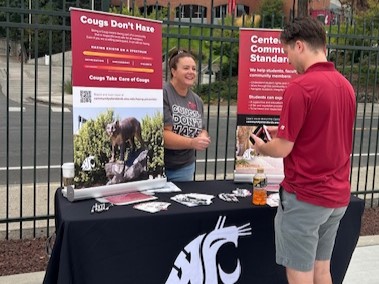
Training is provided to all incoming students, faculty and staff on an annual basis.

State and federal law requires WSU to maintain a report of any hazing violations over the past five years.
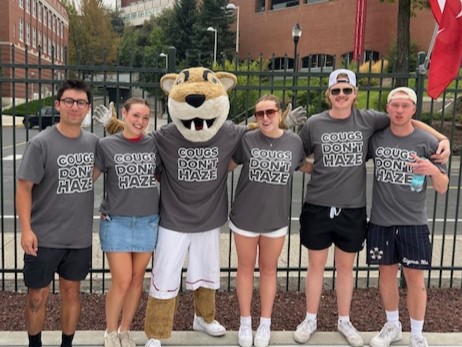
We’ve developed a variety of resources for both students and employees, impacted by hazing.

The state of Washington has a no-tolerance hazing law that requires specific consequences for hazing.

Coordinated efforts across campuses, informed by national research and guided by systemwide leadership groups.